Productivity lift
More completed stops per shift through better routing, less rework and fewer manual handovers.
Logistics · Case study 03
03 / 03Replacing four dispatch systems with one product organisation — and an app drivers actually use.

Overview
One field operations platform replaced four legacy tools, lifted driver adoption to 96% and increased productivity by 31% across 3,200 vehicles.
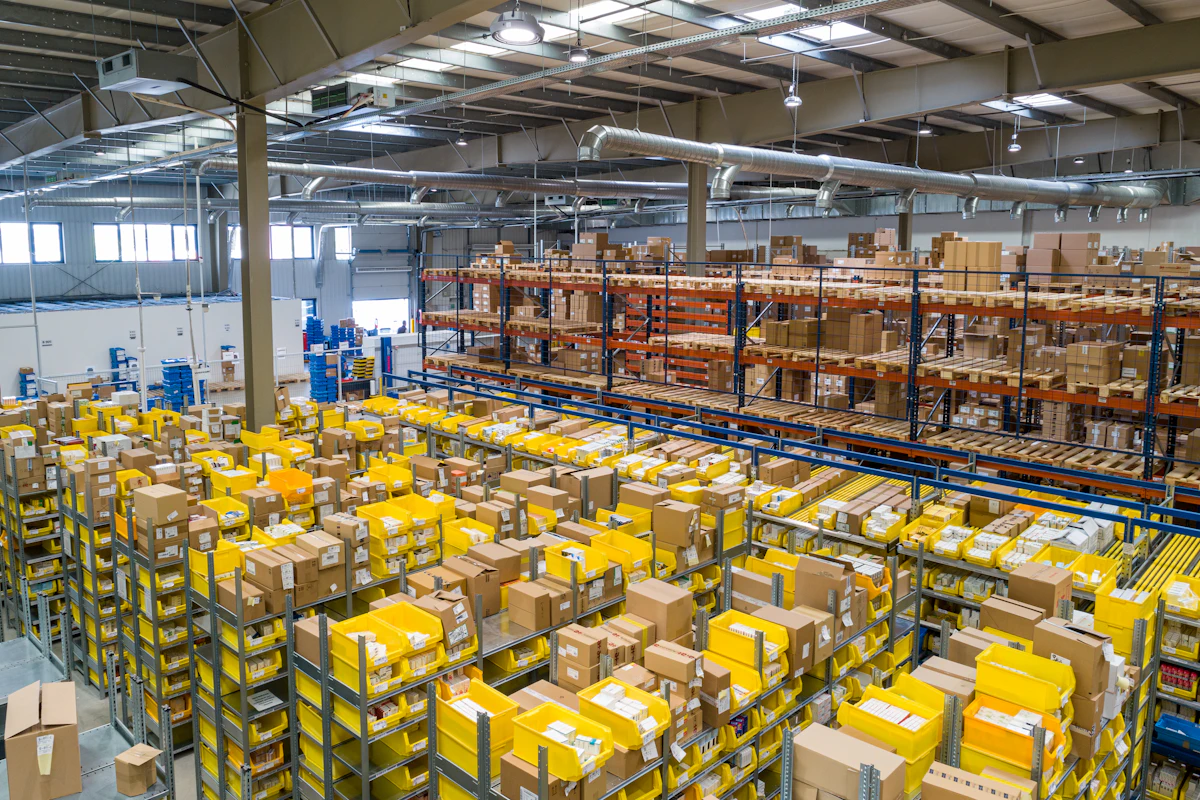
Explore LogisticsAtlas Logistics coordinates 3,200 vehicles and 6,400 daily movements across 11 markets. Four regional dispatch systems had created inconsistent processes, limited visibility and a driver app with 38% adoption. VERTEX helped Atlas establish a product organisation and build a single field operations platform, rolled out market by market over 12 months.
The challenge
01Each region had adapted its dispatch platform locally. The same delivery task could require different steps, different proof-of-delivery evidence and different escalation paths depending on the country. Central operations had no reliable view of network performance.
The existing driver app was slow, required connectivity and duplicated data entry. Drivers reverted to paper and phone calls, which meant the operational data was incomplete and the promised customer ETA was little more than an estimate.
Previous modernisation attempts had failed because they were run as large, centralised IT projects. Local operations teams had little ownership, and every exception became a reason to delay rollout.
Our strategy
We helped Atlas consolidate four regional technology teams into a single product organisation with clear domain ownership. A global core defined data contracts, workflows and service levels; markets retained controlled configuration for local regulation and customer requirements.
Drivers were involved from discovery onward. We spent two weeks shadowing shifts, tested prototypes in depots and shipped an offline-first app before the first market rollout. Local operations leaders became rollout owners with visible adoption targets.
The solution
The platform combines a React Native driver app, a real-time dispatch service and an integration layer connecting telematics, warehouse and customer systems. Workflows are event-driven so operations can react to delays, failed handovers and exceptions as they happen.
An internal developer platform provides golden paths, observability and automated release controls. The product team runs a two-week cadence with a shared scorecard covering productivity, failed handovers, app adoption and customer promise accuracy.
Months 1–3: driver shadowing, product definition, architecture and a pilot in the Netherlands with 220 vehicles.
Months 3–7: driver app, dispatch services, telematics integration and migration tooling for market configuration.
Months 6–11: staged rollout across 11 markets, local training and adoption support, decommissioning legacy tools as each market cut over.
Months 10–12: continuous improvement, internal team enablement and extension of the platform to warehouse handovers.
The result
Every outcome below was agreed before delivery began and validated with the client's finance and operating teams.
More completed stops per shift through better routing, less rework and fewer manual handovers.
Drivers moved from paper and phone calls to the app within four weeks of each market rollout.
Release cadence increased from quarterly to fortnightly with automated quality and security checks.
All regional dispatch systems decommissioned on schedule, with local configuration retained.
“We had tried to build this platform twice before. The difference was not the technology — it was giving one team real ownership and designing with drivers instead of for them.”
Technology stack
The architecture was selected against the operating constraints of the programme — not a platform quota. Each layer has a clear owner and an exit path where portability matters.
Related work
Your programme
Talk to the team behind this work. Write to newbusiness@vertexconsulting.example or start a conversation below.