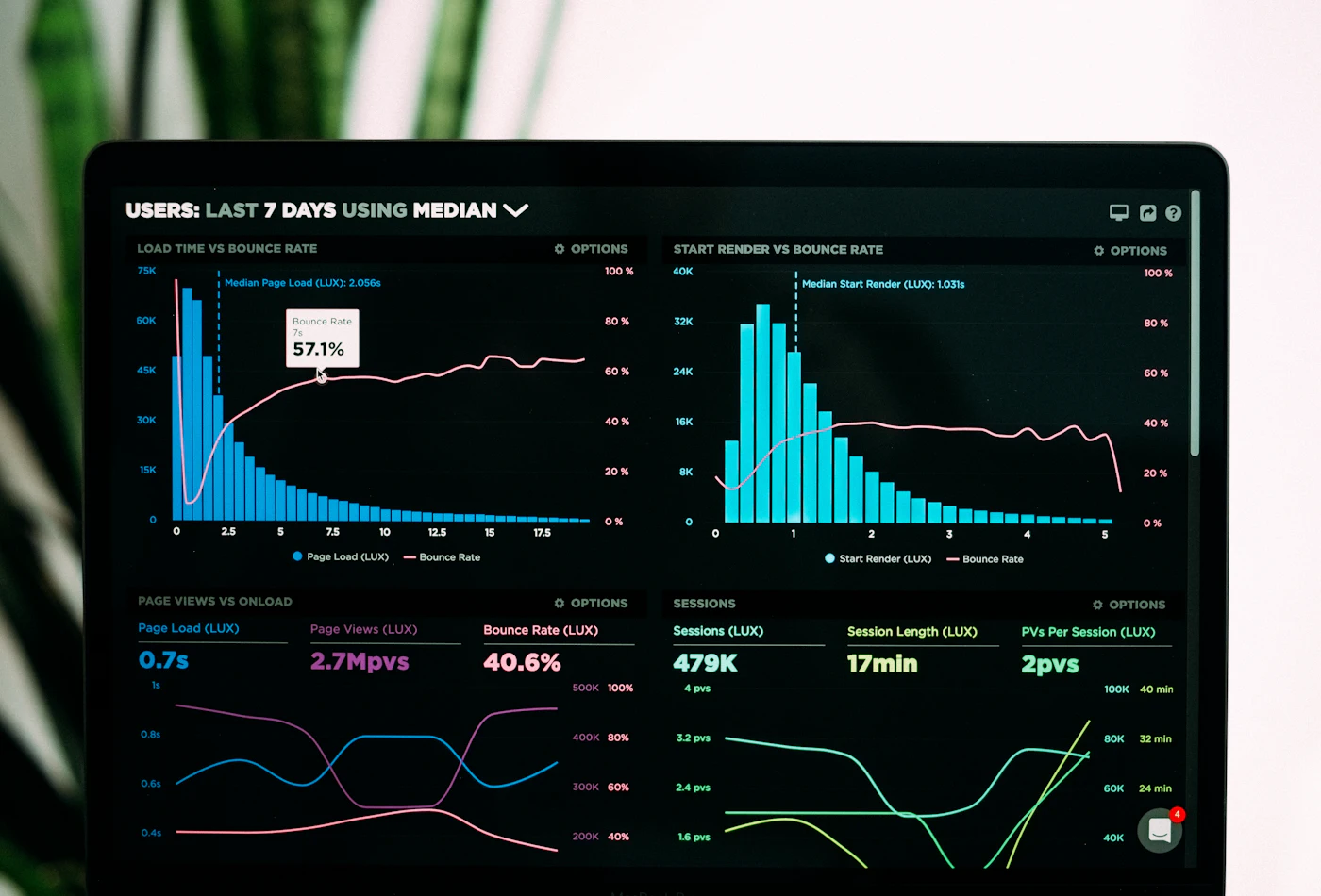
Platform availability
Sustained availability across patient-facing services, measured against clinical service-level objectives.
Healthcare · Case study 02
02 / 03Consolidating fourteen hospitals onto a secure, resilient digital foundation — without interrupting care.
Overview
A two-wave cloud migration and zero-trust security programme delivered 99.99% availability, 42% lower run cost and a patient experience designed with clinicians.
Explore HealthcareHelix Health operates 14 hospitals and a network of community clinics serving 2.8 million patients. Its patient portal ran on ageing infrastructure across six data centres, with inconsistent identity controls and a recovery capability that had never been fully tested. VERTEX led an 18-month programme to consolidate the digital estate on Azure, modernise the patient experience and rebuild security around identity.
The challenge
01Clinical systems could not be taken offline for conventional migration cutovers. The estate included 240 applications, many with local integrations and undocumented dependencies built up over two decades.
Patient identity was fragmented across hospital sites. Clinicians used multiple credentials and shared workstations, while patients had different portal experiences depending on where they received care. Security controls varied by site, and incident response depended on knowledge held by a small number of individuals.
The board's mandate was clear: improve the patient experience, reduce infrastructure cost and demonstrate resilience to regulators — without a single avoidable interruption to care.
Our strategy
We divided the estate into two migration waves based on clinical criticality and dependency complexity. Patient-facing and corporate workloads moved first, creating a secure cloud foundation and proving the operating model before critical clinical systems followed.
Clinical reference groups reviewed every patient-facing change. Security was designed alongside the platform: a single identity provider, phishing-resistant authentication for privileged users, segmented cloud networks and immutable backups for critical records.
The solution
The programme delivered an Azure-based landing zone with automated policy enforcement, a Kubernetes platform for patient-facing services and a longitudinal data layer built on FHIR. The patient portal was rebuilt as an accessible, mobile-first experience with a single sign-on and clear consent management.
A 24/7 security operations capability combined Microsoft Sentinel, CrowdStrike and Okta telemetry. Detection content was mapped to the threats most relevant to healthcare, and incident command was rehearsed with clinical and communications leaders.
Months 1–4: landing zone, identity consolidation, security baseline and migration factory for low-risk workloads.
Months 3–9: co-designed portal, FHIR data layer, single sign-on and accessibility testing with patients.
Months 7–15: wave-based migration of clinical systems, live resilience testing and 24/7 operational readiness.
Months 13–18: FinOps routines, SRE operating model, tabletop exercises and transfer to the internal platform team.

The result
Every outcome below was agreed before delivery began and validated with the client's finance and operating teams.
Sustained availability across patient-facing services, measured against clinical service-level objectives.
Infrastructure and licensing cost reduction delivered within the first year of full migration.
A single accessible portal for appointments, records and communications across all 14 hospitals.
Improved from more than four hours through consolidated telemetry and detection engineering.
“We asked for a technology programme and got a different relationship with our patients. The portal is now the first place many people look for care.”
Technology stack
The architecture was selected against the operating constraints of the programme — not a platform quota. Each layer has a clear owner and an exit path where portability matters.
Related work
Your programme
Talk to the team behind this work. Write to newbusiness@vertexconsulting.example or start a conversation below.